Gone are the days of fiddling with SIM cards when travelling overseas. The growth in popularity and compatibility of eSIM technology saw to that. But another major change is the rise of travel SIMs not tied to a single location, made for country-hopping travellers.
One of the latest examples of this trend is the new unlimited data plan from Holafly, an Irish company that specialises in selling travel eSIMs. Instead of choosing a specific location or region, Holafly’s newly launched plan is designed to operate seamlessly between countries, with no limits on downloads.
It works on a monthly basis, charging users US$64.90 (approximately AU$100) for unlimited data across more than 160 destinations. A phone number comes included for receiving text messages, but the plan doesn’t support calls. However, the included data enables internet-based calling via apps like WhatsApp, Messenger, and FaceTime.
As a cheaper alternative, Holafly also sells a ‘Light’ (US$49.90) plan, which limits the monthly data to 25GB. An interesting addition is the free ‘Always On’ tier, which includes 1GB per month, albeit valid in fewer countries (Holafly advertises “70+ countries”).
Other travel SIM providers also have variations of unlimited global data, including the Australian-based Simify. Simify sells unlimited data eSIMs that work across 111 countries, but not in the same monthly format as Holafly.
For example, the Australian company sells its plans in set increments from seven days, all the way up to 90 days. In a reasonably 1:1 comparison, a 30-day Simify global eSIM costs $129 at full price, charged in Australian dollars. Holafly’s product is currently cheaper, although its website references a “special launch price”. That suggests it’ll likely increase sometime in the future.
Seeing more of these plans pop up means travellers have more choice, and fewer barriers to staying connected on longer multi-country trips.
Keen to find a better deal on your home internet? We’ve compared the cheapest NBN plans from many of the biggest telcos to find the best deals for you in each speed category.
One of the best ways to save money on your internet bill is to shop around frequently. Many internet service providers (ISPs) offer introductory deals, including generous discounts for the first six months. Afterwards, it’s always worth comparing providers so you’re not left paying more than you should. Most ISPs don’t use lock-in contracts, making it relatively easy to swap to a better-value plan.
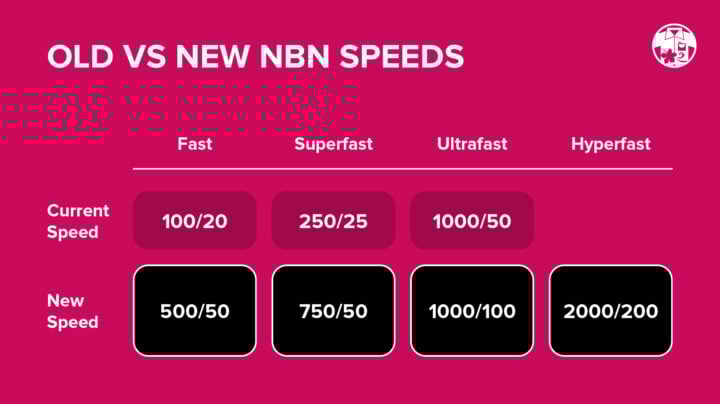
After the recent big NBN speed upgrade, it’s now easier than ever to enjoy fast internet at decent prices. Some older NBN plans got five times faster for the same price. Not a bad deal for those eligible.
With that in mind, here are the current cheapest NBN plans in Australia from a wide range of telcos. We also have some affordable tips and tricks on how to maximise your current internet speeds. Looking for a new phone plan, too? Compare the cheapest SIM plans to save even more money.
Here are the cheapest NBN plans at the time of writing, including a $39 per month deal on NBN 25 internet from SpinTel. We update this article monthly, but the prices listed in the widgets update frequently, giving you up-to-date and accurate information.
Many of the retailers display promotional prices aimed at new and returning customers. These offers generally involve paying a discounted rate for six months before reverting to a standard price. To view the details of promotional offers, click on the green text labelled ‘deal’, which will also show the standard price.
Each plan featured here includes unlimited data. Some providers let you save a few dollars every month by choosing a plan with a data cap. If you know you don’t need much data, use this search tool to find plans with monthly data allowances.
NBN 12 plans
Aimed at people who only need the internet for browsing online and checking emails, an NBN 12 plan isn’t blazingly fast but saves money.
TPG currently sells the cheapest NBN 12 plan at $54.99 per month for the first six months. Its subsequent full price of $74.99 costs more than many NBN 25 plans, however.
For the most part, you’d be better off scrolling down and looking at faster speeds available for the same price or less.
NBN 25 plans
Suited for streaming videos in HD and basic online tasks, an NBN 25 plan gives you a bit more flexibility and much more value for money.
SpinTel has the current cheapest NBN 25 plan, costing $39 per month for the first six months. Afterwards, the price bounces back to $64.95 per month.
Amaysim, Superloop, and Flip are all nicely discounted to less than $45 per month for the first six months. A lot of telcos are doing various end-of-year sales and lingering Black Friday deals that make it a pretty good time to shop around.
Of all the decent NBN 25 deals, Tangerine has a plan worth looking at. Its discounted $49.90 monthly price might not look the cheapest at first glance, but the deal lasts for 12 months, instead of the typical six-month offers from most telcos. Over the course of a year, it saves $240 on Tangerine’s $69.90 standard monthly price.
Without discounts, the cheapest NBN 25 plans cost between $60 and $70 per month, so it’s a relatively cost-effective speed tier.
NBN 50 plans
Traditionally Australia’s most popular internet plan, NBN 50 balances value with performance. These plans support 4K video streaming and can sustain multiple simultaneous users.
For the next couple of weeks, Amaysim and Superloop both have the cheapest NBN 50 plans, priced at $55 per month each. That discounted rate lasts for the first six months; both telcos then cost $85 per month thereafter.
Tangerine is again worth looking at for its 12-month discount. $64.90 per month is a bit more expensive at first, but the longer discounted period puts its annual average below competitors.
This is where the NBN speed upgrade starts to kick in. For customers with Fibre to the Premises (FTTP) or Hybrid Fibre Coaxial (HFC) connections, the NBN 100 tier becomes NBN 500 plans at no extra cost.
Both sets of speeds are ideal for streaming multiple 4K videos and downloading files quickly. If you get 500Mbps speeds, those downloads will be five times quicker. Only slightly more expensive than the 50Mbps tier, NBN 100 plans are still good value for most people; NBN 500 is even better value, given the small gap in pricing.
To start with, let’s look at the cheapest NBN 100 plans — these speeds apply to those with Fibre to the Node (FTTN), Fibre to the Building (FTTB), and Fibre to the Curb (FTTC) connections:
Amaysim is up there again, priced at $60 per month for the first six months, down from its regular $90 monthly pricing. Various other telcos come close, with Dodo, TPG, Superloop, and Kogan all within a few dollars of each other
Tangerine’s 12-month discount is good value, remaining $68.90 per month over an entire year. Most full-priced NBN 100 plans cost roughly $90 per month.
If you have a direct fibre connection, here are the cheapest NBN 500 plans:
As you can see, the prices are more or less the same as NBN 100, which makes it pretty good value for those who can get NBN 500 plans.
Dodo is again at the top, but one of the best long-term deals comes from SpinTel. For the first six months, SpinTel’s NBN 500 plan costs $64 per month. The telco’s standard $86.95 monthly price is one of the cheapest options, too. Tangerine’s 12-month discount also applies to its NBN 500 plan, adding another good-value option.
NBN 750 plans
500Mbps download speeds aren’t fast enough for you? For even faster speeds, you could try NBN 750, which was NBN 250 before the wholesale speed upgrade. This is the tier you consider when you want to download the latest video game or save a whole bunch of media for offline viewing.
Amaysim tops the list once more, selling an NBN 750 plan for $70 per month for the first six months. Compared to some ISPs, Amaysim is a little slower, advertising typical evening download speeds of 680Mbps, which is still reasonably quick.
For faster speeds at a similarly low price, Superloop currently sells NBN 750 for $74 per month for the first six months. One of Australia’s fastest ISPs, Superloop advertises full 750Mbps download speeds during peak periods.
Without factoring in discounts, expect to pay between $100 and $110 per month for most NBN 750 plans.
NBN 1000 plans
NBN 1000 plans now come with 100Mbps upload speeds, giving you fast downloads and a strong upload rate. Consider these plans if you regularly work with large files, like content creators, and don’t want to waste time waiting for downloads or uploads to finish.
You’ll notice that not every telco promises 1,000Mbps download speeds during peak times. That’s because the NBN speed upgrade is still relatively new, so the industry is still collecting real-world performance data. Rest assured, though, that these plans are fast.
At the moment, Superloop sells the cheapest NBN 1000 plan: it costs $79 per month for the first six months. After that, it costs $109, which is a little pricier than ISPs like SpinTel, which costs $99.95 per month after its introductory $89 monthly rate.
Aside from SpinTel and a few others, like Southern Phone and Amaysim, most NBN 1000 plans cost upwards of $110 per month.
NBN 2000 plans
One of the new additions following the speed upgrade, NBN 2000 plans, also known as ‘Hyperfast’, is for absolute power users. Capable of handling multiple 8K video streams and downloading large files in the blink of an eye, it’s much faster than anything previously available to the wider Australian public.
Because it’s new and a bit on the pricier side, not many ISPs sell NBN 2000 plans just yet. Still, there are some discounts available, with prices already varying between telcos.
Superloop currently has the cheapest NBN 2000 plan at $145 per month. That price lasts for six months before increasing to $165 per month thereafter. Southern Phone’s plan costs a static $149 per month, making it the cheapest long-term option.
With not as much competition as other speed tiers, some NBN 2000 plans are as expensive as $190 per month.
What you need to know
If you want broadband internet in Australia, your main and most reliable choice is via the National Broadband Network (NBN). Although the NBN provides the internet backbone, it does not sell plans directly to the public. Instead, telecommunication vendors package up retail and business plans, which include different features and levels of customer support.
NBN availability
The NBN is available to all Australians, but the way you access the NBN may be different. This might include a fixed cable into your home, wireless access via an antenna on your roof or a satellite dish.
To see what technology is available to you, start by visiting the NBN getting connected page. After entering your address, you will be shown the technology available at your address. You will also see which providers or NBN retailers sell access in your area. In Sydney alone, we were presented with 123 different retailers.
Speed and reliability
It is important to understand that the speed and reliability of your NBN plan can differ by retailer. Each buys internet capacity from the NBN. This capacity is then shared with a certain amount of the retailers’ customers. This means that a retailer may have faster speeds in one suburb versus another based on how many customers are accessing the overall capacity. It’s always good to ask your neighbours who they are with and their experience with a particular NBN retailer.
It’s also worth checking the ACCC website regularly. They publish quarterly broadband performance results, measuring how well telcos deliver on advertised internet speeds. You want to be certain that you’ll get the speeds you pay for, so this is a good starting point.
Having good internet speed is more than just a fast broadband connection. For more, be sure to check out GadgetGuy’s guide to improving your internet for more information.
Which NBN plan?
When evaluating an NBN plan, consider the following criteria:
Data Limits – Is there a monthly download limit of data, or is the plan unlimited?
Download Speed – Best measured at its busiest in megabits per second (Mbps) typical evening speed. Is it enough to watch Netflix? (Netflix requires 10-25Mbps depending on resolution quality.) Larger households with members using the internet simultaneously will require higher download speeds.
Cost – How much do you pay each month, and is there a connection fee?
Contract – Are you locking yourself to a retailer for a period, or is it month to month?
Telephone – Is a fixed-line telephone service bundled into the plan?
Customer service – What hours are supported, and is it an Australian-located call centre?
Upload speed – Important for people who save large files online, like photos and videos.
Changing providers
If you wish to change internet providers, the process involves signing up with the new retailer in-store or online. You may receive a new Wi-Fi router, and you may have to return your old router to your previous retailer. The retailer-provided router is generally low quality but provides a fixed-line telephone connection if selected.
Your retailer might offer you an email address. Still, we recommend using a non-telco-specific email address such as Gmail or Hotmail, allowing you to easily change NBN retailers.
The NBN changeover process can take less than an hour, but depending on the location and NBN technology, it could take a few days. To take advantage of introductory offers, you could swap your provider every six months.
Suppose you do not wish to leave your existing provider. In that case, you may be able to negotiate a better rate by comparing it to cheaper offerings.
GadgetGuy occasionally uses affiliate links and may receive a small commission from purchased products.
Are you looking to save on your phone bill? We’ve rounded up the cheapest SIM plans from a range of different carriers to help you find the best price. If you’re unsure about whether a SIM-only mobile plan is what you need, our quick guide to SIM only mobile plans will get you up to speed.
Generally speaking, if you don’t want a new phone or a lock-in contract, a SIM plan is the way to go. It’s easy to get what you need without paying for excess features. Unlimited phone calls and text messages usually come standard, with data and international roaming the main points of difference. If you do want a phone, however, check out the current deals on phone plans, including discounted handsets.
We update this article monthly, so bookmark this page to keep up to date with the cheapest SIM plans. Prices update in real-time, meaning you get the latest deals available in Australia right now. You can also use a custom search to choose a plan that suits your exact needs. All of the plans featured in this article include an expiry period of at least 28 days. You can purchase a SIM plan with a shorter recharge window, ideal for travellers who only need a bit of data while visiting Australia.
At the moment, SpinTel sells the cheapest postpaid SIM plan, discounting its $22 to $14 for the first six months. SpinTel is an MVNO that uses the Optus 5G network, including 25GB with its plan. Even after the discount, $22 per month is a pretty good price for a 5G plan.
There are a lot of end-of-year sales on right now, so you can easily find a good discount wherever you look. Many of the postpaid plans cost less than $20 per month when on sale, so shop around to find something that suits your needs.
Prepaid
As per usual, the cheapest prepaid SIM plans belong to iiNet and TPG. For the first six months, the Vodafone MVNOs cost $12.50 per month, inclusive of 25GB on a 4G connection. Unlike many prepaid SIM plans, these last a full month, instead of the usual 28-day or 30-day recharge cycles.
You can also get a relatively inexpensive 5G plan with TPG by spending slightly more. For the first six months, TPG’s 5G plan with 50GB of data costs $17.50 per month, followed by its regular price of $35.
At the time of writing, Spacetalk sells the cheapest prepaid SIM plan on the Telstra network. It costs $20 per 30-day renewal, along with 15GB per recharge. Spacetalk’s SIM plans also include the brand’s Plus Membership, which is required to access all the features in its new-look family safety app.
Cheapest 5G SIM plans
As 5G rolls out to more parts of Australia, and compatible phones become cheaper, it’s easy to take advantage of higher download speeds. 5G SIM plans cost more, making them better suited to users who need the extra speed or perhaps don’t have reliable NBN connections.
Postpaid
The cheapest 5G postpaid plans look fairly identical to the overall cheapest plans earlier; SpinTel is right up the top once again. There are a few sub-$20 5G plans, providing plenty of competition for your dollar.
Both the Optus and Telstra networks are fairly well represented here. However, Vodafone is the most expensive within the postpaid category. If it’s Vodafone you want, consider your prepaid options instead.
Prepaid
TPG and iiNet are cheap entry points into Vodafone’s 5G network, with both priced at $17.50 per month for the first six months. They come bundled with 50GB of data, while TPG also offers a 100GB option at a discounted price of $22.50 per month.
Amaysim flies the flag for cheap Optus 5G plans, costing $25 per 28 days for 15GB of data. That’s the standard price, too, so you don’t need to worry about any limited-time discounted period.
On the Telstra network, Boost Mobile’s $26 plan includes 21GB of data for the first three recharges (on a 28-day cycle). The standard 7GB data allocation is smaller than most in its price bracket, but Boost also happens to be the only MVNO with access to the full Telstra network.
Depending on your data needs, you can generally pick up a 5G prepaid plan for $25 or less per recharge.
Cheapest 365-day SIM plans
If you know what you need over a longer period and want to save money in the process, a 365-day SIM plan might do the trick. Simply pay once per year, and get a bank of data to use with unlimited calls and texts. It’s a cost-effective way of paying your phone bill for basic internet users who aren’t big downloaders.
Lyca Mobile still has the cheapest long-expiry SIM plan, at $110 for its 365-day plan with 200GB. Running on Vodafone’s 4G network, Lyca Mobile’s plan normally costs $220.
As for an Optus connection, OnePass Mobile, the rebrand of Catch Connect, costs $149 for 200GB over 365 days. Meanwhile, Kogan Mobile, another Vodafone option, is also $149 annually for the same amount of data.
A long-term Telstra SIM plan costs more, however. Everyday Mobile, sold through Woolworths, costs $250 for 365 days with 215GB. Keep in mind that it’s on Telstra’s 4G network; 5G access costs $300 via Boost Mobile’s cheapest long-expiry SIM plan.
What you need to know about SIM only plans
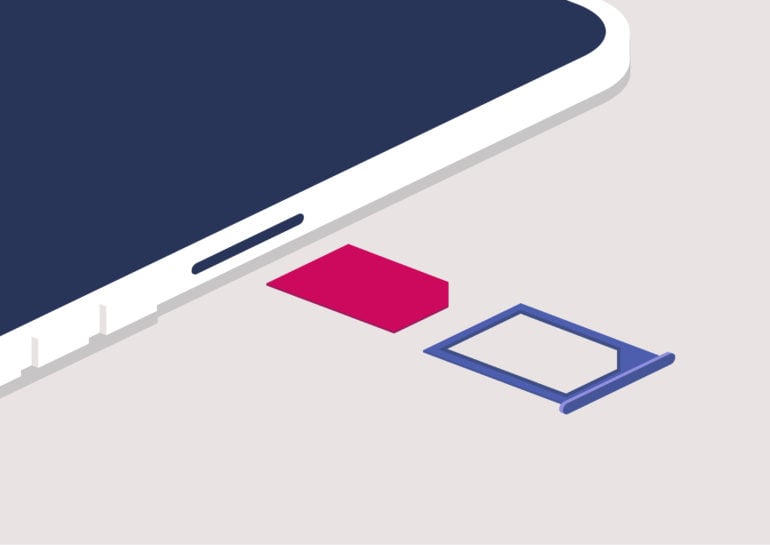
It’s fairly easy to change your SIM plan provider. Even more so with the rise of embedded SIM (eSIM) technology, letting you change plans almost instantly with a compatible device. Instead of requiring a physical card, eSIM stores network information directly to your phone.
Irrespective of which service provider you go with, the actual network used will be either Optus, Telstra or Vodafone. Many of the cheapest SIM plan providers are mobile virtual network operators (MVNOs). This refers to carriers that use the network infrastructure of another company.
Boost Mobile is a popular MVNO that has full access to Telstra’s network, reaching 99.5% of Australians. Not every MVNO includes a network’s full coverage, so it’s worth checking a company’s website to ensure your area is serviced.
In terms of how much data you should choose, data from the Australian Competition and Consumer Commission (ACCC) found that Australians generally pay for more than what they need. On average, Aussies use 10.2GB of phone data per month, so it’s likely you could get away with a smaller allowance that costs less.
It also depends on how much you stream and download content using your phone. If you mainly use home or office Wi-Fi and don’t stream much, stick with a cheaper plan.
Postpaid versus prepaid
There are a couple of slightly different SIM plan options to choose from. Postpaid refers to plans that operate on a monthly billing cycle, where you pay at the end of each cycle. Postpaid SIM plans generally don’t involve a lock-in contract, so you can freely swap if your needs change or a better deal comes along. If you hit your data cap for a month, your telco might limit speeds until the next cycle or charge extra costs, so check the fine print beforehand.
Prepaid, on the other hand, sees you pay at the start of each cycle for a fixed number of days. Most prepaid SIM plans have a 28-day expiry cycle instead of a full month. Shorter expiries are also available if you need a SIM while travelling, making it a flexible option. The upside is that if you go over your data limit, you won’t incur extra costs. A lot of prepaid plans don’t automatically recharge by default but you can set up auto-recharge manually, with some telcos offering discounts or bonuses if you do so.
Phone number portability
The SIM changeover process takes about 10 minutes of your time or even less if you choose an eSIM. You will receive instructions to visit a website, provide your details, prove your identity (online) and then insert your new SIM.
Note you will have a choice to migrate your existing mobile number or choose a new one. About 15 minutes later, you should be up and running. However, the documentation will indicate it may take up to 24 hours and be affected by working hours.
Best network coverage
Network coverage is one of the most important factors to consider when buying any phone plan. Low prices and all the data in the world don’t mean much if you can’t get a signal. Fortunately, Australia’s mobile phone network coverage is more competitive than ever because of the TPG Telecom and Optus partnership.
Telstra still boasts the broadest network coverage, reaching 99.7% of the Australian population. Optus and Vodafone aren’t far behind, covering 98.5% and 98.4% respectively. Optus expects to rapidly expand its 5G network, so expect plenty of competition in the next couple of years.
Telco
Overall network coverage
5G network coverage
Telstra
99.7%
91%
Telstra wholesale
98.8%
75%
Optus
98.5%
80.5%
Vodafone
98.4%
Not advertised
More important than percentages is whether your location has coverage. The best way to find out is to check each telco’s coverage map:
The best way to find out if a plan suits you is to try one for a month. Lock-in contracts are largely a thing of the past, so it’s easier than ever to try one provider and swap if it doesn’t work out.
GadgetGuy occasionally uses affiliate links and may receive a small commission from purchased products.
In what feels like the most drawn-out Black Friday sales of all time, the actual Black Friday is finally here. Fortunately, even with a lot of ‘deals’ that look suspiciously like they could’ve run any other time of year, there are still some good discounts to be found.
When putting together this year’s Black Friday tech sale guide, more than a handful of deals have stood out to me. Some of them are deep discounts on big-ticket items, while others are rare price drops on gadgets that seldom go on sale. Either way, they’re deals I’d be happy pulling the trigger on personally.
I won’t waste any more of your time with the preamble: here are seven tech deals from this year’s Black Friday sales that are worth checking out.
Long considered the best gimbal camera on the market, brandished by content creators the world over, the DJI Osmo Pocket 3 is one of the most fun gadgets I’ve used. A large one-inch sensor, 4K video quality, and built-in three-axis stabilisation are big reasons why it’s such a fantastic portable video camera.
Why the Pocket 3’s Black Friday sale caught my eye, was that this thing never goes on sale. I bought one in September, after months of agonising over the decision. Scouring Ozbargain showed how infrequently retailers discount DJI’s popular camera. Even in the rare event of a discount, it wasn’t much to shout about.
If only I’d waited! $679 is a good price for what I consider a creator’s or vlogger’s ultimate companion. You can also score the Creator Combo at a discount, bundling in a DJI Mic 2 and a few other accessories to round out your kit.
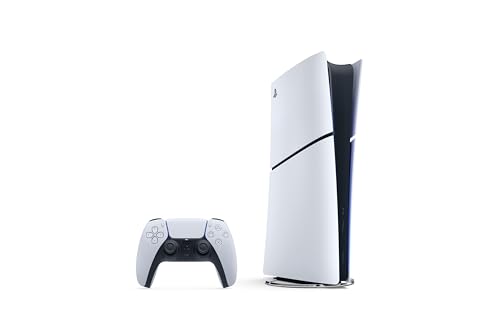
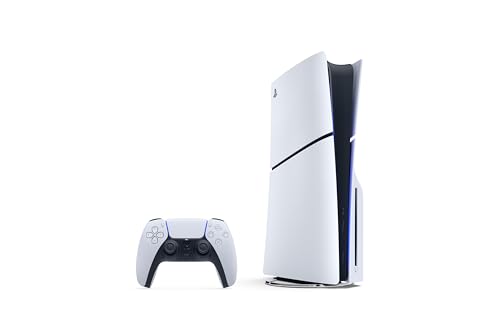
Gaming keeps getting more and more expensive. In a reversal of common trends, video game consoles have increased in price over time, instead of getting cheaper. PlayStation 5 consoles were once $599.95 for the digital version; now the disc-based model goes for $829.95.
In better news, the digital PlayStation 5 costs just $479 during the Black Friday sales. That’s way less than the console was at launch a few years ago. Plus, there are so many top-tier games to play. If you prefer the console that includes a disc tray, it’s down to a reasonable $629.
I’m not currently in the market for a new TV. But if I were, this would be a serious consideration.
I reviewed last year’s TCL C855 TV, which was brilliant. It was bright, vibrant, and super-responsive. Supporting both AirPlay and Chromecast, it didn’t matter which ecosystem you preferred; the TV made it effortlessly easy to stream and cast content from mobile devices.
From all reports, the TCL C8K is even better. To avoid any confusion, despite its model name, this is a 4K TV, not an 8K one. Regardless, its upgrade to four HDMI 2.1 ports is a big step up, particularly as a TV that fancies itself as a high-calibre gaming display, replete with a 144Hz refresh rate (or 288Hz in 2K).
Paying less than $2,000 for a Mini LED TV like this, at 75 inches, is a bloody good deal. TCL’s smaller sizes are also discounted, including the 65-inch model for $1,695. Alternatively, the 75-inch Hisense U8QAU TV, which has a very similar feature set to the TCL C8K, is less than $2,000, too.
Black Friday isn’t just about finding deals on expensive products; it’s also good for getting affordable goods for even less. That sums up this discount on the Moto G86 Power 5G, an impressive mid-range phone with a huge battery.
Time and time again, battery life comes up as one of the most important factors people consider when buying a new phone. Paying $249 for a phone with a big ol’ 6720mAh battery is good value in my eyes. Motorola’s mid-range beast is also well regarded for its sharp display, good cameras, and an IP69 weather resistance rating.
The Altas PT Ultra is one of the best home security cameras we’ve tested. This also happens to be one of its first major discounts since launching in Australia.
Some major security brands push harder and harder towards subscription services to get all the fancy features. Reolink seems to go the other way; selling premium-level hardware with all the good stuff baked in. We’re talking features like person detection, 24-hour recording, and smart notifications — all without a subscription.
This security camera also records in 4K, tracks motion over 360 degrees, and yes, lets you store footage locally. With the bundle that comes with a solar panel, recharging isn’t even something you need to worry about with the Altas PT Ultra.
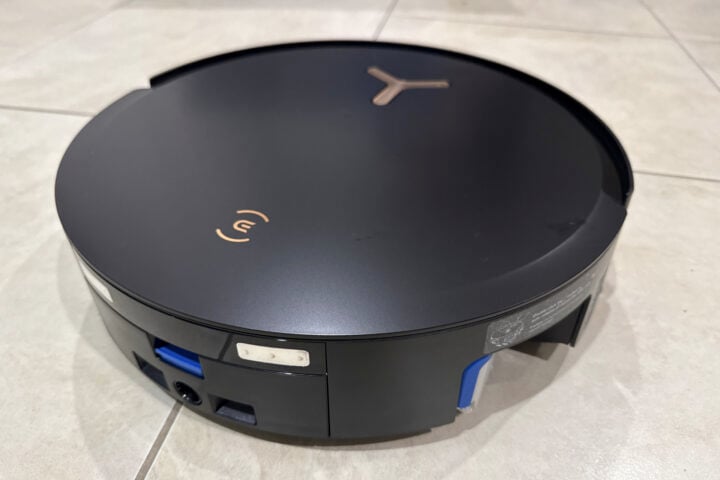
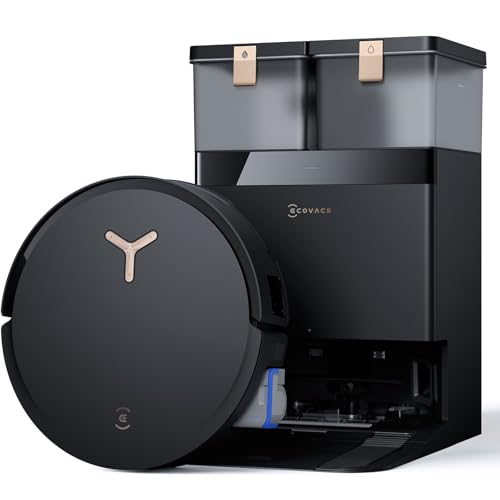
Often, the best way to enjoy a tech upgrade at a good price is to wait for the next-gen model to come out. That’s certainly the case here with the Ecovacs Deebot X8 Pro Omni, a robot cleaner I tested earlier this year and thoroughly enjoyed.
Since superseded by the latest X11 model, the X8 is still a great all-in-one automated cleaner. It was one of Ecovacs’ first devices to use the more powerful roller mop technology, compared to the spinning mop pads employed by older and cheaper models.
What’s particularly good about this Black Friday deal is that you’re paying mid-range prices for a high-end robot appliance that’s not even a year old.
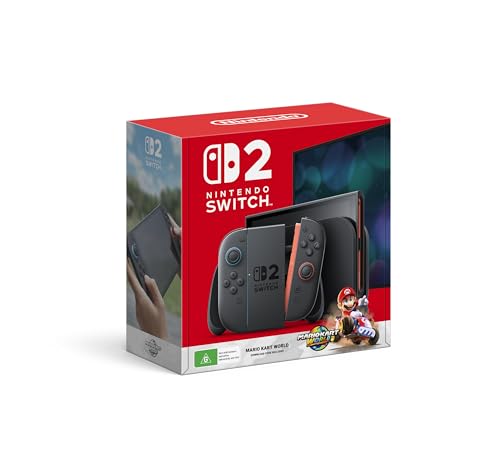
Hang on, wasn’t I just warning earlier about Black Friday deals that didn’t amount to large discounts? Let me quickly explain why I reckon the Nintendo Switch 2 deal is worth a look.
As I mentioned with the PlayStation 5 earlier, video game consoles are no longer getting cheaper over time. If anything, the reverse is true. While the original Switch from 2017 saw its fair share of discounts, Nintendo never lowered the RRP.
So, any discount on the Switch 2, a console only several months old, is tempting in my eyes. It’s set to be a popular Christmas item, and I reckon buying it at a slight discount sure beats no discount at all. I bought one at launch for full price, and I have no regrets, if you want any indication about whether Nintendo’s latest hardware is worth your coins.
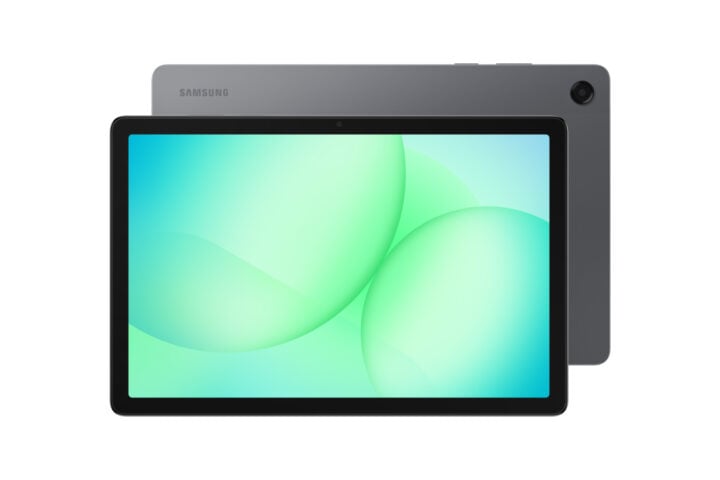
Samsung has launched its latest budget tablet, the Galaxy Tab A11+, in Australia, alongside a version specially made for children.
Priced at $379, the 11-inch tablet is the cheapest Samsung sells in Australia, sitting just below the $599 Tab S10 Lite that was launched earlier in the year.
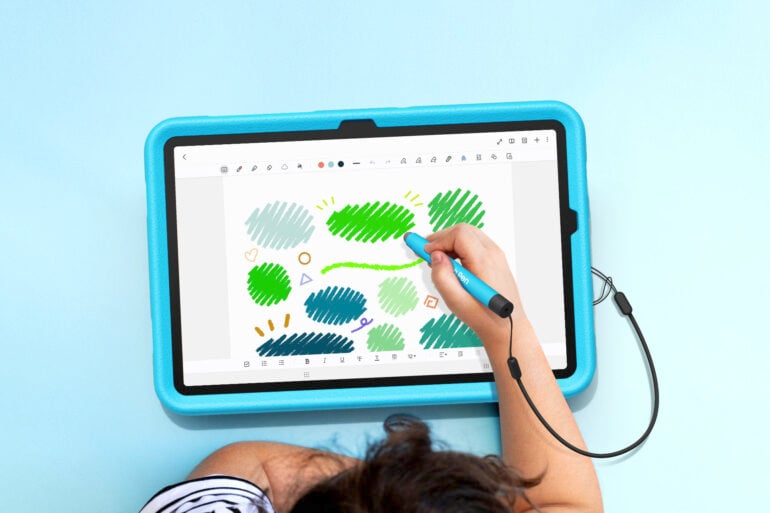
In an interesting move to target younger users, Samsung also announced a ‘Kids Edition’ of the Galaxy Tab A11+. Sold exclusively via the brand’s online store, the $429 bundle includes a brightly coloured rugged case, a touch pen tethered to the device, and a bunch of stickers to play with. Also of note is an included pamphlet explaining the tablet’s parental controls, which seems timely in light of Australia’s youth social media ban.
As for the tablet, it sports a 1920 x 1200 display with a 90Hz refresh rate. On the inside is 128GB of internal storage, expandable up to 2TB with a MicroSD card, and 6GB of memory for the base model. Samsung also advertises a version that includes 256GB of onboard storage and 8TB of memory. Across all variants, Samsung claims the Galaxy Tab A11+ lasts up to 15 hours of video playback on a single charge, using its 7,040mAh battery.
The less exciting, yet equally functional, version of the tablet. Image: Samsung.
On top of the standard Wi-Fi and Bluetooth wireless connectivity, the Galaxy Tab A11+ also includes a 3.5mm audio jack. That’s a nice addition, and one that reinforces the tablet’s kid-friendly status, making it easy to plug a pair of headphones in.
Samsung’s strong track record of software support continues here, with its new tablet getting seven years of OS and security updates. Out of the box, the tablet runs on Samsung’s One UI 8 software, based on Android 16.
Samsung Galaxy Tab A11+ release date and price
The Samsung Galaxy Tab A11+ is starting to arrive in Australia, including some launch discounts across various retailers. For the first few weeks, the Kids Edition will be down to $329 on Samsung’s website.
It’s one thing to have an amateur smartphone photographer test a gimbal mount as I did with the Hohem iSteady V3 Ultra. Still, it’s another thing to pass one of these gimbals to one of GadgetGuy’s professional cameramen. So when Hohem sent us their iSteady M7, designed for pros, I thought it was best to get a professional view.
The $499 M7 gimbal supports a weight of up to 500g and is particularly suited to an iPhone 17 Pro Max with an external mic, a light, and a monitor. It includes a high-quality carry case to protect your investment and store your accessories. Included in the case is a fill light, detachable touchscreen remote control, tripod, and two USB-C charging cables.
Image: Angus Jones.
Setting up the Hohem iSteady M7
After you download and sync the Hohem app, hold your phone with the main camera facing you or away from you, depending on what you want to capture. The electric three-axis mechanism then stabilises your phone, providing far superior results than the native software’s steady features. Beyond that, you benefit from a 193mm extendable pole (selfie stick) and a fill light.
If you choose to attach the removable tripod to a table, the AI tracking will follow your movements around the room, keeping you always in the centre of the frame. Furthermore, you can detach the touchscreen remote control and walk with it in your hand to make directional adjustments to the camera angle from up to 10m away. This same 1.4-inch LCD screen remote is also good for seeing the camera’s view when you are using your smartphone’s primary camera pointed at you, and the phone screen is facing away.
Hohem’s detachable touchscreen remote shows you a camera preview, even when you can’t see the phone screen. Image: Hohem.
It’s also good to know that the AI tracking works independently of the Hohem app. Tracking also goes beyond humans, with animals, buildings, and vehicles all trackable.
Pro users will also like the included fill light, which enables flicker-free filming, CCT & RGB control, and the choice of 360 lighting colours. If your smartphone starts running low on power, use the included charging cable to draw power from the gimbal.
Another benefit for pros is the side roller knob, which can be customised to control, focus, fill light brightness and gimbal motor rotation. Other triggers and buttons can also be customised around recording.
What does the pro think?
Back to our professional cameraman. His initial thoughts were that it felt very familiar to pro camera gimbals. He was impressed by the tracking features and thought there was a place in his kit for this product, especially for producing social videos.
He proudly demonstrated to me the camera tracking him as he walked around the room after a simple press of the small remote-control screen. Last but not least, he felt the customisation of the buttons was also a big plus.
Image: Hohem.
Hohem also has a pro range of accessories to suit, including a mic kit, a quick-release tripod, a briefcase handle, a magic arm mount, and a larger LED light.