
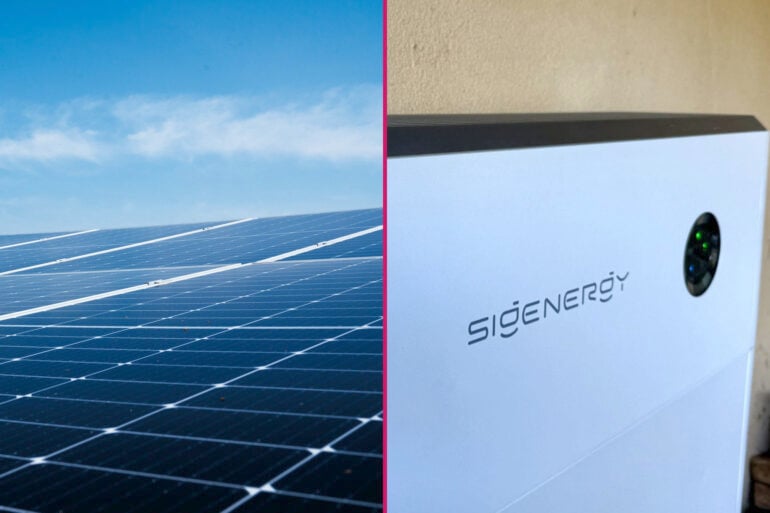
As temperatures soar, my first summer with a Sigenergy home battery vindicates my decision to go large but, on the very hottest days, it still can’t go the distance.
Last winter, I took the plunge and invested in a Sigenergy home battery, taking advantage of Australia’s home battery rebate to slash my power bills.
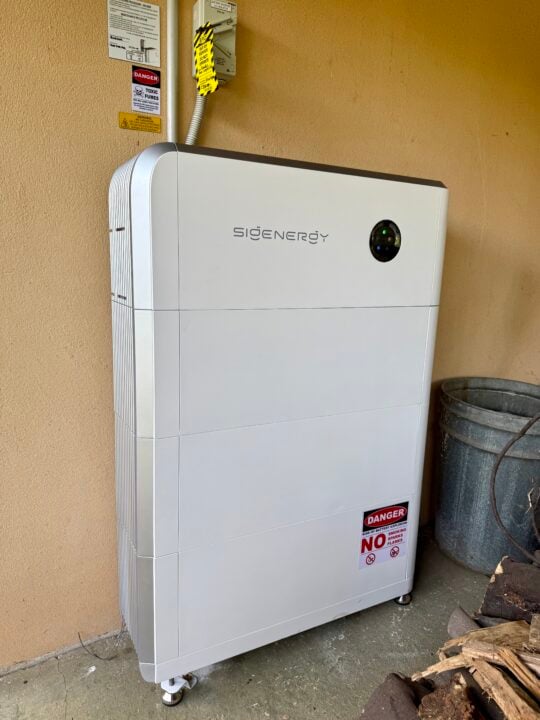
Like many early adopters, I decided to go large, opting for a 24 kWh Sigenergy battery rather than 16 kWh. While it’s admittedly overkill in the milder months, it’s still not quite enough to cover our needs in the extremes of summer and winter – but that was always the plan.
After crunching the numbers, I decided it wasn’t worth spending more on an even larger home battery to completely eliminate our reliance on the grid. This means I still end up paying for power on the handful of days the battery falls short in the middle of summer and winter.
Of course, with Australia’s home battery rebate set to drop in May for larger batteries, the calculations will change again, and each household needs to make their own decision when it comes to choosing the right size battery.
Time-of-use pricing unlocks your home battery’s full potential
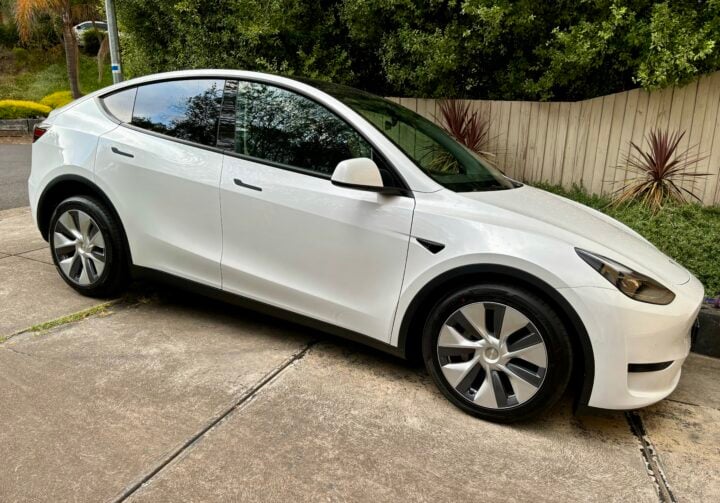
Like many home battery owners, I take advantage of time-of-use (TOU) pricing, which varies the cost of power during the day. This helps with topping up the battery from the grid, curbing my Tesla Model Y’s charging bills and reducing the extra power costs of working from home full-time.
My OVO Victorian TOU electricity plan offers free power between 11 am and 2 pm every day, a benefit that every household will soon enjoy in some states. Plus, I get cheap off-peak power between 12 am and 6 am. It’s worth noting OVO has discontinued this plan, likely because it was proving a little too popular with battery owners, but plans are always in flux so it’s worth shopping around.
I use the Charge HQ scheduling app to automatically charge the Tesla for free if it’s home in the middle of the day, plus top the car up off-peak after midnight if it’s running low. I also keep 10% of the home battery in reserve to cover the house in the event of a power outage.
My very flexible power plan really helps with the battery’s return on investment, considering that my small roof can’t fit enough solar panels to always fill the battery on its own.
Instead, I rely on a combination of solar and free midday grid power to fill the battery every lunchtime, when I also run power-hungry appliances. If it doesn’t look like there’s enough juice to get through to the 11 am free-charging window the next day, I top up the battery on the cheap in the middle of the night.
I know I’m still reliant on the grid, so I pay the extra green power fee for my electricity, to ensure my retailer buys my grid power from green sources. Mostly, I’m soaking up the excess solar power that my neighbours without batteries are selling back to the grid.
My first winter with a Sigenergy home battery
Starting out in the middle of a Melbourne winter, I quickly determined that I needed to top up the battery to 50 per cent overnight at the cheap off-peak rate. Otherwise, the heating in the mornings drained the battery before we made it to the lunchtime free-power window when I could refill the battery.
The aim of the game is to top up with just enough cheap off-peak power overnight to avoid buying expensive peak power in the morning. It’s smart to be a little cautious, considering that peak power is almost four times more expensive.
Playing chicken with your battery top-up level certainly provides extra motivation to optimise your home’s power usage.
For example, by monitoring my home’s temperature, energy consumption and battery level, I calculated that I could reduce the drain on the battery without leaving the house too cold by turning down the winter heating from 20°C to 19°C.
Leaping into spring
As temperatures climbed, skies cleared, and the sun rose earlier, I gradually reduced the overnight battery top-up percentage each month – keeping meticulous notes to see when I fell short, so in future years I can stick to a schedule rather than micro-manage the battery every day.
In September, I reduced the overnight top-up level to 40 per cent and then a further 5 per cent every month until I reached 25 per cent in December, which has served me well over summer. I’ll have to start dialling it up again around March or April.
Spring was naturally the sweet spot, with no need to run the heating or cooling most days, and my power bills were almost zero. There was so much juice left in the battery overnight that I could afford to put a bit in the car, which I should be able to do again in autumn.
Some people might argue that I should switch to an electricity provider like Amber, which lets you sell back your excess power at better rates then the pitiful standard feed-in tariffs, but I don’t think it’s right for me.
Firstly, the Amber plans don’t offer both a free and off-peak charging window. Secondly, in summer and winter I often don’t have a lot of power to spare. Thirdly, it would increase the wear and tear on the battery. Finally, it doesn’t feel right to try and make a profit from my battery, but that’s a decision everyone needs to make for themselves.
My first summer with a Sigenergy home battery
Coming into my first summer, I knew the early sunrise would ease the load on the battery. That morning sunshine really helps cover the power spike as everyone makes breakfast and gets ready for their day.
As an added benefit, on all but the most extreme summer days, there’s no need to turn on the air conditioning in the early mornings. This is where the location, construction and layout of your home dictate your cooling needs and how you’ll use the battery.
We live at the bottom of a valley on the east side, meaning the house doesn’t cop much sun until late morning. This drives up the heating costs on winter mornings, but keeps down the cooling costs in summer before lunch.
To make things more complicated, it’s a narrow three-storey house with full western exposure on the top two floors – so it gets blasted on long, hot summer afternoons. This has always made the house difficult to keep cool when temperatures soar.
Similar to winter, I calculated we could save power by setting the cooling to 21°C rather than 20°C and still be comfortable (although the house struggles to stay that cool on very hot days). On hot days I turn the cooling on at 11 am when the power becomes free, even if the house is still cool, because it’s more efficient than waiting until the house heats up and then trying to cool it down.
Thankfully, my solar’s 5 kW output is more than enough to cover the AC during the day. That’s great, but it means, once the battery is full, I find myself selling power back to the grid for a paltry 1c per kWh (which can still be enough to make a profit some days). At least it ensures the battery stays full until the sun gets low in the sky.
As an added bonus, the battery automatically kicks in during evening brown-outs on super-hot days, which keeps all of our appliances running (except the aircon) while protecting them from power fluctuations.
Up to around 35°C, the 24 kWh battery is enough to run the aircon until bedtime (relying on ceiling fans overnight). Any hotter and we end up buying peak power for the aircon in the late evenings, after the battery runs flat, but that was to be expected.
This January, we spent $29.30 on electricity, not including the daily connection fee. Last January, we spent a hefty $173.36, so I’m very happy with the savings.
Most of the $29.30 this January was spent on just a handful of 40-ish degree days when the battery drained well before midnight. Most other days, I only spent around 10 to 30 cents.
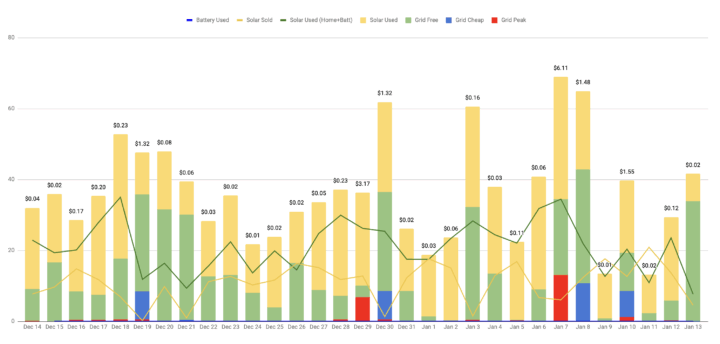
My monthly power bills start on the 14th, so it’s difficult to show all of January, but the graph below from mid-December 2025 to mid-January 2026 highlights a few interesting things.
You can see how rarely we bought peak evening power (red bar), but how much we were forced to buy when it reached 42 degrees on January 7: costing $6.11 for the day because the battery ran flat in the evening. The next day has a large off-peak spike (blue bar), due to topping up the flat battery in the middle of the night.
You can also see how much solar we’re selling back to the grid in the afternoons (yellow line), once the 24 kWh battery is full. If we could hang onto it, we’d pay even less for power, but the numbers don’t stack up.
Feel the heat
One frustrating discovery is that, on extremely hot days, the aircon actually works harder after the sun goes down – I can see the house’s real-time power usage in the Sigenergy app. Without sunshine, the air conditioner quickly drains the battery, and we end up buying some peak power before hitting the midnight off-peak window (like on January 7).
At first, it didn’t make sense that the house somehow got hotter after dark, but we figured out it’s a result of something called “Thermal Mass Lag”.
Basically, the fully exposed west side of the house absorbs a lot of heat during the afternoon and then gradually radiates that heat into the house over the next few hours, after the sun goes down. It would be less of a problem if the east side of the house soaked up morning heat and then radiated it into the house in the afternoon, while the AC was still running on solar.
This frustrating but unavoidable quirk of our house is costing us money by forcing us to buy peak evening power on extremely hot days to cool the house, even though we’d been selling back power for a pittance in the afternoon. It also means that on extremely hot days, we need to run the aircon on low all night or else the house heats up again – now we understand why.
Thankfully, because we stepped up from a 16 kWh to a 24 kWh battery, this problem of needing to buy peak power only happens on a handful of days each year – not enough to justify having spent more money on an even larger battery.
Looking at my first summer with a Sigenergy home battery, I’m happy to say we’re on target to save a bit more than I anticipated on our power bills throughout the year. A 24 kWh battery is the sweet spot for our home, even though it can’t quite go the distance when it’s a real scorcher.
The post What I learned from my first summer with a Sigenergy home battery appeared first on GadgetGuy.


0 comments:
Post a Comment