
Many Australians can now get three hours of free power in the middle of the day, but don’t assume that it’s always a good deal.
Thanks to the federal Solar Sharer Offer for NSW, South Australia and South East Queensland, along with Victoria’s upcoming Midday Power Saver offer, most Australian households with a smart meter can opt for an electricity plan providing free power between 11 am and 2 pm every day.
The reason they’re prepared to give away free electricity is that, thanks to renewable energy sources, we now have more power than we know what to do with in the middle of the day. Solar feed-in tariffs continue to fall, and instead people are investing in batteries to save their solar energy and spend it after dark.
Is three hours of free power a good deal?
Everybody loves getting something for free, but free electricity actually comes at a high cost, so it’s important to crunch the numbers.
Plans with a free power window charge more for power at other times of day. They also slug you with a higher daily supply charge, while further reducing the paltry solar feed-in tariffs.
There’s concern that the power network will continue to hike daily supply fees over the coming years, wiping out the significant savings that battery early adopters are relying on to make it a worthwhile long-term investment, even with the solar battery rebate.
All of this means that you need to be sure that three hours of free power actually saves you more money than all the extra charges on your electricity bill. It certainly won’t stack up for some homes.
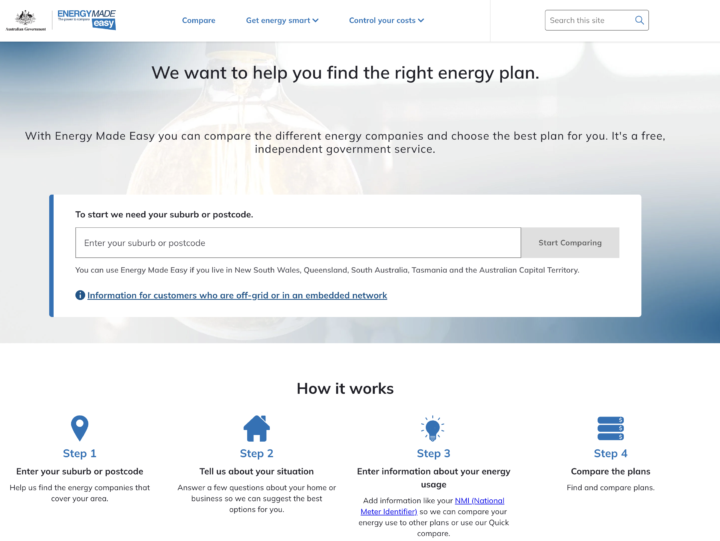
Websites like Energy Made Easy and Victorian Energy Compare are great for comparing electricity deals, with the ability to feed in your usage data over the last 12 months. Make sure you also look for the best gas deals.
Unfortunately, looking at your recent usage data is of limited use if you’re thinking of switching to an electricity plan with free power, because your daily habits will change. Relying on last year’s data can make a plan with free power seem more expensive, assuming in future you’ll be able to shift some power usage to the middle of the day.
If your spreadsheet kung fu excels, you can probably pull down 12 months of raw data from your electricity distributor and estimate your shifts in demand to make more accurate predictions.
How I saved money with three hours of free power
I’ve had three hours of free power for two and a half years, so that’s been plenty of time to change my power usage habits and reduce my bills.
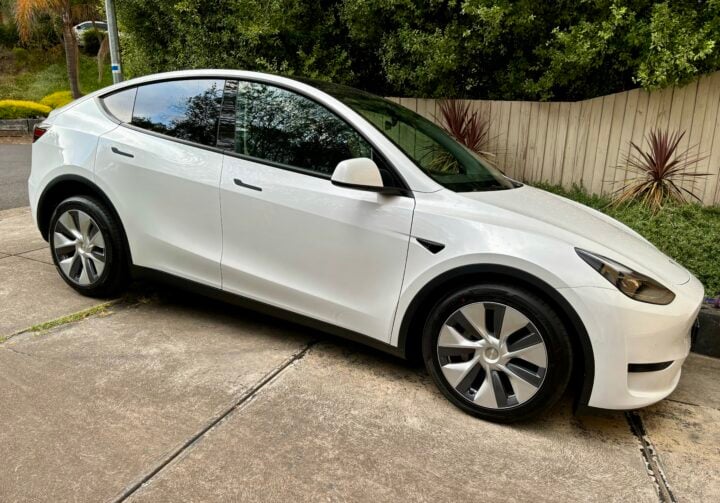
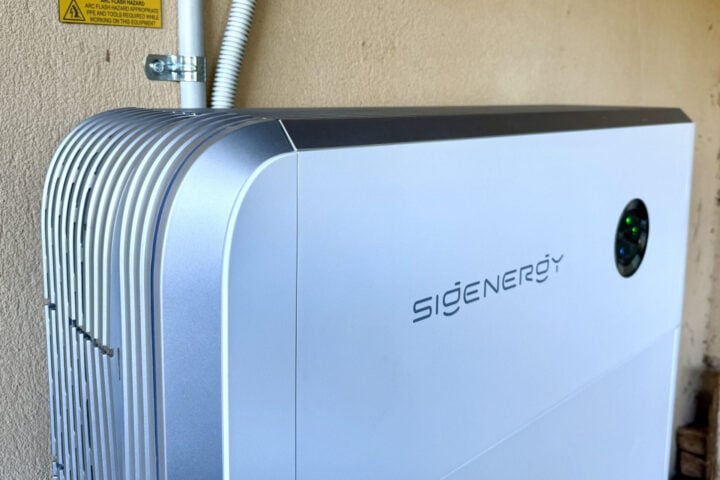
For my household, a free power window is a no-brainer. I work from home, plus I use a lot of electricity in the middle of the day to charge my Tesla Model Y and top up my Sigenergy home battery.
Of course, many homes are empty during the day as people head off to work or study, perhaps taking their EV. That makes free power much less attractive.
If the best you can do is schedule your dishwasher and dryer to run at lunchtime, then a free power window is probably not worth it. Looking up the power consumption of those appliances should give you a rough estimate of what they cost to run.
The numbers improve if you can also schedule your electric hot water service and swimming pool heater to run in the middle of the day.
I switched to a plan with three hours of free power when I got my Tesla more than two years ago. Even though the car is away from home most weekdays, big free weekend top-ups are enough to ensure I pay very little to charge it.
When I got my Signenergy battery last year, I changed to an electricity plan with both a free power window in the middle of the day and a cheap EV window between midnight and 6 am.
This allows me to top up the battery overnight on the cheap, so I don’t risk paying top dollar for power if the battery runs flat before 11 am. I can also top up the car if it doesn’t have enough for the next day.
I also manually run the dryer and dishwasher in the middle of the day to help the battery last longer overnight. My south-facing backyard gets absolutely no sun in winter, so there’s no choice but to put sheets and towels in the dryer. I don’t feel guilty about it because I pay extra for 100% GreenPower from renewable sources, which includes my free power window.
Switching to a plan with both free and cheap power windows drove up my peak and daily usage charges even further, but I ran the numbers, and it was still the best deal for my home.
It was such a great deal for battery owners that, not long after, my power retailer scrapped that plan. My deal expires next month, and unsurprisingly, it seems no one offers those plans any more, so you need to choose between a free midday window or a cheap overnight window.
Make sure you choose wisely. I’m sticking with a free window, but the new plan will still drive up my power bills by about 50%. Not just in higher charges, but also because there’s no point topping up the battery overnight in winter if power remains the same price until 11 am.
I’m actually opting for a plan with four hours of free power, which sounds amazing but again comes with higher charges elsewhere.
Also keep in mind that many plans limit your three hours of free power to 24 kWh, after which they start charging. That’s a challenge when most homes can pull down at least 14 kW per hour, which is easy to do if you’re charging a battery and car at the same time.
Are you already getting three hours of free power?
Of course, the elephant in the room is that, if you have solar panels on your roof, you’re probably already getting free power in the middle of the day. There’s no point in changing plans unless you will consume/store more power in the middle of the day than your panels produce – so you need some insights not just into your usage but also how your solar performs during the year.
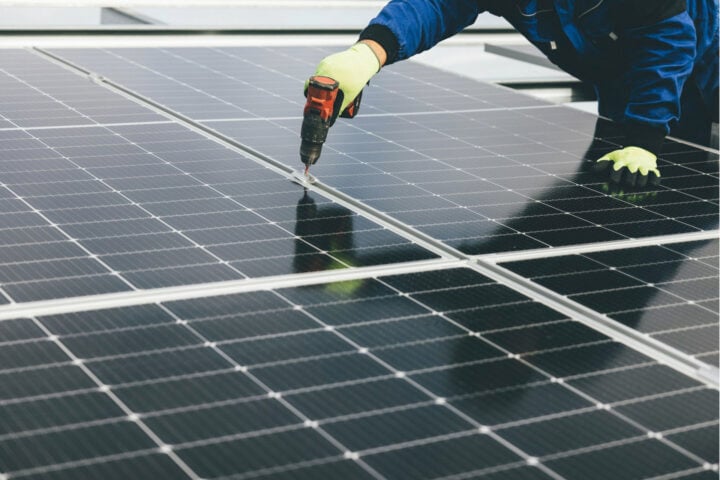
Once again, it’s a no-brainer for me, because I live at the bottom of a valley with a narrow, mostly east-west roof. This limits how many panels I can squeeze on the roof and how much power I can squeeze out of them.
My solar panels can cover the air conditioning in the middle of summer, but not the heating in the middle of winter. They’d never be enough to fill my mid-sized 24 kWh home battery, so its return on investment is reliant on a free power window to top it up.
Then of course there’s charging the Tesla. My solar system can pump out 5 kW at best, while the car wants to pull down 7 kW by default when charging at home – so a free power window really comes in handy.
Looking to the future
Just as I’m losing my cheap early-morning top-up window, I’m also losing access to the great Charge HQ app that I’ve been using to schedule my car charging. It’s been acquired by energy retailer Amber, which is rudely shutting it down for non-Amber customers.
Charge HQ is much more advanced than Tesla’s built-in scheduling, for example letting me set different charge limits for different times of day. This means I can top up to 30% overnight when it’s cheap, but then aim for 100% in the middle of the day when it’s free.
At this point, I wish I’d known enough to buy a smart EV charger for home, rather than opting for a dumb Tesla Gen 3 wall charger.
Without Charge HQ, my best option for complex charging schedules seemed to be combining Home Assistant for home automation with EVCC for smart car charging. It’s a steep learning curve, even for a techie like me, and I’ve already run into challenges. (If you’re looking for something less complex, Tessie might do the trick for US$6.99 p/m, but I haven’t used it).
For example, I wanted to use TeslaBleHttpProxy running on a Raspberry Pi to wake the car via Bluetooth for charging from EVCC, but Teslas will only connect to three BLE devices simultaneously. That’s fine during the day, but a problem at night when we have three smartphones at home which all run the Tesla app and talk to the car via BLE for keyless access.
Instead, I’ll need to use Tesla’s Fleet API to wake the car over the internet. After a lot of messing around trying to cobble this together, I decided it was easiest to pay $45 a year to link Home Assistant to Teslemetry (which simplifies using Tesla’s Fleet API), and then optimise my automations to ensure I don’t spend too much on API credits when sending commands to the car and checking its status.
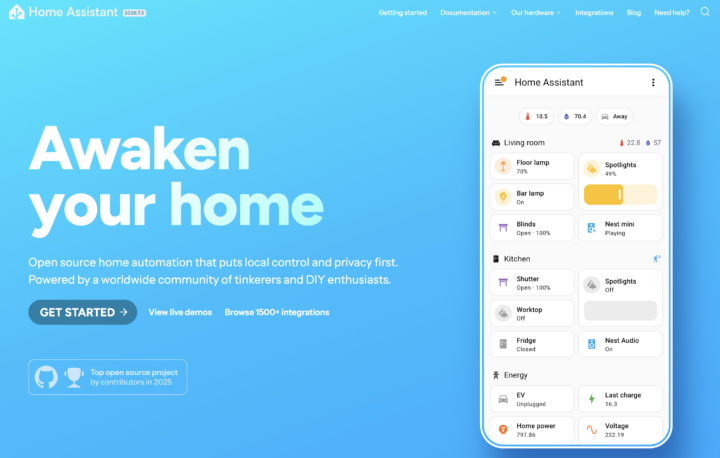
I’ve been putting off setting up a Home Assistant server for a few years. Partly because I didn’t want to overcomplicate things, and partly because it plays into my OCD tendencies to get a bit too enthusiastic about optimising things.
That said, more integrated and granular home automation will let me claw back some of my rising power bills. For example, I can slow down the car charging if it looks like the house battery won’t fill up in the free window. I can also optimise overnight car top-ups from the battery in autumn and spring, when I have a little power to spare.
A four-hour free window will also reduce the need to slow car charging in favour of the battery. Plus it will ensure the battery lasts an hour longer before running flat in winter, whilst buying me more time to power-hungry appliances like the dryer.
Remember, free power sounds too good to be true, but you need to do your homework to ensure you’re not spending more than you’re saving.
The post What I learned making the most of three hours of free power appeared first on GadgetGuy.


0 comments:
Post a Comment